عذاب القبر
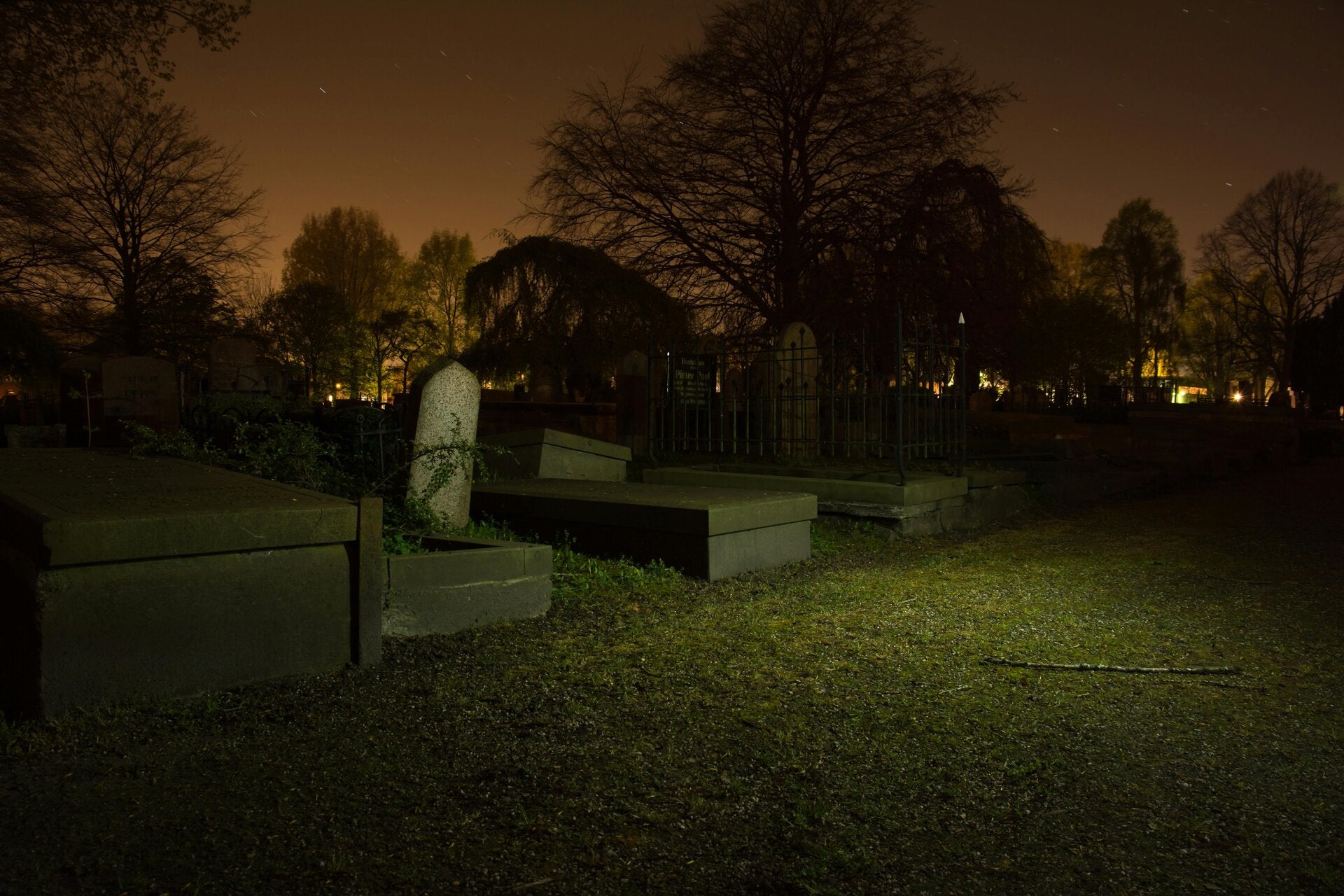
هل سمعت عن قصة منكر ونكير؟ عن الأسئلة التي تُطرح في القبر: من ربك؟ ما دينك؟ من نبيك؟ وعن العذاب الذي يُقال إنه يأتي لمن لا يعرف الإجابة، وأن القبر يضيق عليه من كل جانب، ويملؤه الألم والخوف؟
كنا نسمع هذه القصة مرارًا في المحاضرات ، وكأنها الحقيقة المطلقة عن ما يحدث بعد الموت. : القبر يضيق، تأتي الحيّات والعقارب، تُسمع الأصوات المخيفة،
وبالرغم من قوة هذه الصور أو رعبها، . تثير في نفس الوقت سؤالًا بسيطًا لكنه مهم
هل كل هذه التفاصيل موجودة في القرآن بالفعل؟
دعونا نلقي نظرة أقرب على ما يقوله القرآن عن الموت وما بعده، ونرى الحقيقة بأنفسنا.
قبل أن نرى ما يقوله القرآن عن الموت ، هناك نقطة مهمة يجب أن نفهمها: القرآن كامل ومفصل.
كما يقول الله في القرآن:
أَفَغَيْرَ اللَّهِ أَبْتَغِي حَكَمًا وَهُوَ الَّذِي أَنْزَلَ إِلَيْكُمُ الْكِتَابَ مُفَصَّلًا ۚ وَالَّذِينَ آتَيْنَاهُمُ الْكِتَابَ يَعْلَمُونَ أَنَّهُ مُنَزَّلٌ مِنْ رَبِّكَ بِالْحَقِّ ۖ فَلَا تَكُونَنَّ مِنَ الْمُمْتَرِينَ
6:114
ويؤكد الله مرة أخرى
مَا فَرَّطْنَا فِي الْكِتَابِ مِنْ شَيْءٍ ۚ ثُمَّ إِلَىٰ رَبِّهِمْ يُحْشَرُونَ
6:38
وَنَزَّلْنَا عَلَيْكَ الْكِتَابَ تِبْيَانًا لِكُلِّ شَيْءٍ وَهُدًى وَرَحْمَةً وَبُشْرَىٰ لِلْمُسْلِمِينَ
16:89
الر ۚ كِتَابٌ أُحْكِمَتْ آيَاتُهُ ثُمَّ فُصِّلَتْ مِنْ لَدُنْ حَكِيمٍ خَبِيرٍ
11:1
وَهَٰذَا كِتَابٌ أَنْزَلْنَاهُ مُبَارَكٌ مُصَدِّقُ الَّذِي بَيْنَ يَدَيْهِ
6:92
يعني القرآن كتاب مبين و مفصل
والآن، بعد أن فهمنا هذه النقطة، يمكننا أن نرى معًا: ماذا يقول القرآن فعلا عن الموت ؟ وهل يذكر عذاب القبر كما تُروى لنا الأحاديث؟

كأنّ الوقت لم يمر
في القرآن يُشبَّه الموت بحالة لا شعور فيها، كما نشاهد في النوم، ولا نعرف ما حولنا، ثم بعد ذلك يبعثنا الله للحساب يوم القيامة، يوم يجمع الله الناس للحساب .
يَوْمَ يَدْعُوكُمْ فَتَسْتَجِيبُونَ بِحَمْدِهِ وَتَظُنُّونَ إِنْ لَبِثْتُمْ إِلَّا قَلِيلًا 17:52
وَيَوْمَ تَقُومُ السَّاعَةُ يُقْسِمُ الْمُجْرِمُونَ مَا لَبِثُوا غَيْرَ سَاعَةٍ ۚ كَذَٰلِكَ كَانُوا يُؤْفَكُونَ
وَقَالَ الَّذِينَ أُوتُوا الْعِلْمَ وَالْإِيمَانَ لَقَدْ لَبِثْتُمْ فِي كِتَابِ اللَّهِ إِلَىٰ يَوْمِ الْبَعْثِ ۖ فَهَٰذَا يَوْمُ الْبَعْثِ وَلَٰكِنَّكُمْ كُنْتُمْ لَا تَعْلَمُونَ
30:55-56
وَيَوْمَ يَحْشُرُهُمْ كَأَنْ لَمْ يَلْبَثُوا إِلَّا سَاعَةً مِنَ النَّهَارِ يَتَعَارَفُونَ بَيْنَهُمْ ۚ قَدْ خَسِرَ الَّذِينَ كَذَّبُوا بِلِقَاءِ اللَّهِ وَمَا كَانُوا مُهْتَدِينَ10:45
فَاصْبِرْ كَمَا صَبَرَ أُولُو الْعَزْمِ مِنَ الرُّسُلِ وَلَا تَسْتَعْجِلْ لَهُمْ ۚ كَأَنَّهُمْ يَوْمَ يَرَوْنَ مَا يُوعَدُونَ لَمْ يَلْبَثُوا إِلَّا سَاعَةً مِنْ نَهَارٍ ۚ بَلَاغٌ ۚ فَهَلْ يُهْلَكُ إِلَّا الْقَوْمُ الْفَاسِقُونَ 46:35
كَأَنَّهُمْ يَوْمَ يَرَوْنَهَا لَمْ يَلْبَثُوا إِلَّا عَشِيَّةً أَوْ ضُحَاهَا79:46
في هذه الآيات، يؤكد القرآن أن الميت لا يشعر بمرور الوقت
وَنُفِخَ فِي الصُّورِ فَإِذَا هُمْ مِنَ الْأَجْدَاثِ إِلَىٰ رَبِّهِمْ يَنْسِلُونَ
قَالُوا يَا وَيْلَنَا مَنْ بَعَثَنَا مِنْ مَرْقَدِنَا ۜ ۗ هَٰذَا مَا وَعَدَ الرَّحْمَٰنُ وَصَدَقَ الْمُرْسَلُونَ
36:51-52
لاحظوا رد فعل المبعدين: لم يقولوا: «من أنقذنا من العذاب؟» أو «من أنهى عذابنا؟»، بل سألوا عن من بعثهم من مرقدهم.
«القرآن يوضح أن الميت في قبره في حالة تشبه النوم، لا وعي فيها ولا امتحان، ولا ثواب ولا عقاب قبل يوم القيامة.»

الحساب يكون يوم القيامة
«يؤكد القرآن باستمرار أن الحساب يكون في يوم مُعيَّن، يوم القيامة، لا قبل ذلك.»
كُلُّ نَفْسٍ ذَائِقَةُ الْمَوْتِ ۗ وَإِنَّمَا تُوَفَّوْنَ أُجُورَكُمْ يَوْمَ الْقِيَامَةِ ۖ فَمَنْ زُحْزِحَ عَنِ النَّارِ وَأُدْخِلَ الْجَنَّةَ فَقَدْ فَازَ ۗ وَمَا الْحَيَاةُ الدُّنْيَا إِلَّا مَتَاعُ الْغُرُورِ 3:185
اللَّهُ لَا إِلَٰهَ إِلَّا هُوَ ۚ لَيَجْمَعَنَّكُمْ إِلَىٰ يَوْمِ الْقِيَامَةِ لَا رَيْبَ فِيهِ ۗ وَمَنْ أَصْدَقُ مِنَ اللَّهِ حَدِيثًا 4:87
يَوْمَ تَجِدُ كُلُّ نَفْسٍ مَا عَمِلَتْ مِنْ خَيْرٍ مُحْضَرًا وَمَا عَمِلَتْ مِنْ سُوءٍ تَوَدُّ لَوْ أَنَّ بَيْنَهَا وَبَيْنَهُ أَمَدًا بَعِيدًا ۗ وَيُحَذِّرُكُمُ اللَّهُ نَفْسَهُ ۗ وَاللَّهُ رَءُوفٌ بِالْعِبَادِ. 3:30
الْيَوْمَ تُجْزَىٰ كُلُّ نَفْسٍ بِمَا كَسَبَتْ ۚ لَا ظُلْمَ الْيَوْمَ ۚ إِنَّ اللَّهَ سَرِيعُ الْحِسَابِ40:17
«لا يبدأ الحساب في القبر،
بل يكون يوم القيامة، يوم يُبعث الناس جميعًا ويُحشرون أمام رب العالمين، يوم يُوفَّى كل نفس ما كسبت، ويُكشف الحق عن الباطل، حينها يقف كل إنسان مُدركًا نفسه وأعماله، عالمًا بما أنكره أو أقامه من الحق، كما جاء في كتاب الله.»
عودة إلى القرآن
كثير من الناس يؤمنون بعذاب القبر، لكن مجرد انتشار فكرة بين الناس لا يجعلها صحيحة.
عندما ندرس القرآن بصدق ونتأمل آياته كما يأمرنا الله، نجد رسالة واضحة:
الموت هو مرحلة يمر فيها الإنسان، ويبدو أن الوقت فيها لا معنى له.
الحساب يحدث يوم القيامة، في الوقت الذي حدده الله وحده.
القرآن لا يأمرنا أن نخاف من القبر أو من الموت نفسه، بل يذكرنا بالاستعداد لليوم الذي يُبعث فيه الناس، حيث يظهر كل ما عملناه، صغيرًا كان أم كبيرًا:
هذه اللحظة، كما يوضح القرآن، تحدث يوم القيامة
