خطة الشيطان
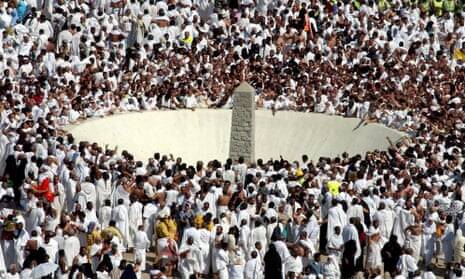
كثير من الناس يعرفون طقسًا يُسمى رمي الجمرات، حيث يُرمى الحجارة على أعمدة يُعتقد أنها تمثل الشيطان. ملايين الناس شاهدوا هذا الطقس أو شاركوا فيه.
لكن يجب أن نسأل سؤالًا مهمًا:
هل ورد رمي الجمرات في القرآن كوسيلة لهزيمة الشيطان؟
إذا بحثنا في القرآن ، لن نجد آية تأمر المؤمنين برمي الحجارة على عمود.
فإذا لم يصف القرآن هزيمة الشيطان بهذه الطريقة، فكيف يعلمنا القرآن أن نواجهه حقًا؟
للإجابة على هذا، علينا أولًا أن نفهم معنى كلمة شيطان وما كشفه القرآن عن خططه. عندها فقط نستطيع أن نفهم كيف يجب على المؤمنين مقاومته في حياتهم اليومية.
معنى الشيطان
كلمة شيطان تأتي من الجذر العربي ش ط ن،
، ويشير هذا الجذر في المعاجم العربية إلى:
والانفصال عن الشيء
الابتعاد عن الحق والهدى
الانفصال عن رحمة الله
والانحراف عن الطريق المستقيم
بمعنى آخر، الشيطان هو من يبتعد عن الحق ، ويصرف الناس عن صراط المستقيم .
يُظهر القرآن نوايا الشيطان
قَالَ أَرَأَيْتَكَ هَٰذَا الَّذِي كَرَّمْتَ عَلَيَّ لَئِنْ أَخَّرْتَنِ إِلَىٰ يَوْمِ الْقِيَامَةِ لَأَحْتَنِكَنَّ ذُرِّيَّتَهُ إِلَّا قَلِيلًا
17:62
هنا يتضح أن الشيطان عازم على إضلال الإنسان

طرق الشيطان في الحياة اليومية
القرآن لا يحذرنا فقط من الشيطان، بل يوضح لنا الطرق التي يستخدمها ليضل الناس. هذه الوسائل غالبًا ما تكون خفية، تظهر تدريجيًا في حياتنا اليومية، ونادراً ما نشعر بها مباشرة.
1. زرع الخوف من الفقر
أحد أساليب الشيطان القوية هو جعل الناس يخشون الفقر والخسارة. عندما يخاف الإنسان ألا يملك ما يكفي، قد يصبح أنانيًا، أو جشعًا، أو ينسى قيمه ومبادئه.
الشَّيْطَانُ يَعِدُكُمُ الْفَقْرَ وَيَأْمُرُكُمْ بِالْفَحْشَاءِ ۖ وَاللَّهُ يَعِدُكُمْ مَغْفِرَةً مِنْهُ وَفَضْلًا ۗ وَاللَّهُ وَاسِعٌ عَلِيمٌ 2:268
2. الوسوسة بالأفكار السلبية
الشيطان يهمس في قلوبنا، يزرع الشكوك، الغيرة، الغضب أو الكلام الجارح بين الناس. كلمة واحدة بلا تفكير قد تؤدي إلى خصام طويل.
وَقُلْ لِعِبَادِي يَقُولُوا الَّتِي هِيَ أَحْسَنُ ۚ إِنَّ الشَّيْطَانَ يَنْزَغُ بَيْنَهُمْ ۚ إِنَّ الشَّيْطَانَ كَانَ لِلْإِنْسَانِ عَدُوًّا مُبِينًا 17:53
3. دفع الناس خطوة خطوة نحو الخطأ
الخطايا غالبًا لا تبدأ بالكبائر، بل بخطوات صغيرة. الشيطان يقودنا تدريجيًا بعيدًا عن الحق، حتى نعتاد على المعصية دون أن نشعر.
يَا أَيُّهَا الَّذِينَ آمَنُوا لَا تَتَّبِعُوا خُطُوَاتِ الشَّيْطَانِ ۚ وَمَنْ يَتَّبِعْ خُطُوَاتِ الشَّيْطَانِ فَإِنَّهُ يَأْمُرُ بِالْفَحْشَاءِ وَالْمُنْكَرِ ۚ وَلَوْلَا فَضْلُ اللَّهِ عَلَيْكُمْ وَرَحْمَتُهُ مَا زَكَىٰ مِنْكُمْ مِنْ أَحَدٍ أَبَدًا وَلَٰكِنَّ اللَّهَ يُزَكِّي مَنْ يَشَاءُ ۗ وَاللَّهُ سَمِيعٌ عَلِيمٌ
24:21
4. إثارة النزاعات بين العائلات
حتى أقرب الناس قد يتأثرون بالشيطان. الغيرة وسوء الفهم قد يفرق بين الإخوة ويهدم الثقة.
وَرَفَعَ أَبَوَيْهِ عَلَى الْعَرْشِ وَخَرُّوا لَهُ سُجَّدًا ۖ وَقَالَ يَا أَبَتِ هَٰذَا تَأْوِيلُ رُؤْيَايَ مِنْ قَبْلُ قَدْ جَعَلَهَا رَبِّي حَقًّا ۖ وَقَدْ أَحْسَنَ بِي إِذْ أَخْرَجَنِي مِنَ السِّجْنِ وَجَاءَ بِكُمْ مِنَ الْبَدْوِ مِنْ بَعْدِ أَنْ نَزَغَ الشَّيْطَانُ بَيْنِي وَبَيْنَ إِخْوَتِي ۚ إِنَّ رَبِّي لَطِيفٌ لِمَا يَشَاءُ ۚ إِنَّهُ هُوَ الْعَلِيمُ الْحَكِيمُ
12:100
5. صرف الناس عن ذكر الله
الانشغال باللعب، اللهو، أو المتع الزائلة يبعد القلب عن الله. هذا ما يريده الشيطان، حتى تزداد الفجوة بين الإنسان وربه.
إِنَّمَا يُرِيدُ الشَّيْطَانُ أَنْ يُوقِعَ بَيْنَكُمُ الْعَدَاوَةَ وَالْبَغْضَاءَ فِي الْخَمْرِ وَالْمَيْسِرِ وَيَصُدَّكُمْ عَنْ ذِكْرِ اللَّهِ وَعَنِ الصَّلَاةِ ۖ فَهَلْ أَنْتُمْ مُنْتَهُون
5:91
6. جعل الناس ينسون الله
مع مرور الوقت، يحاول الشيطان أن يسيطر على قلوبنا ويجعلنا ننسى الله تمامًا
اسْتَحْوَذَ عَلَيْهِمُ الشَّيْطَانُ فَأَنْسَاهُمْ ذِكْرَ اللَّهِ ۚ أُولَٰئِكَ حِزْبُ الشَّيْطَانِ ۚ أَلَا إِنَّ حِزْبَ الشَّيْطَانِ هُمُ الْخَاسِرُونَ
58:19
7. إيهام الناس باتباع سلطة زائفة
الشيطان يجعل الإنسان يعتقد أن اتباع قوانين البشر أو غيرها أفضل من اتباع هدي الله، فيضلهم عن الطريق الصحيح.
أَلَمْ تَرَ إِلَى الَّذِينَ يَزْعُمُونَ أَنَّهُمْ آمَنُوا بِمَا أُنْزِلَ إِلَيْكَ وَمَا أُنْزِلَ مِنْ قَبْلِكَ يُرِيدُونَ أَنْ يَتَحَاكَمُوا إِلَى الطَّاغُوتِ وَقَدْ أُمِرُوا أَنْ يَكْفُرُوا بِهِ وَيُرِيدُ الشَّيْطَانُ أَنْ يُضِلَّهُمْ ضَلَالًا بَعِيدًا
4:60
8. إبعاد الناس عن القرآن
من أعظم نجاحات الشيطان عندما يترك الناس القرآن، فلا يتدبرونه، ولا يطبقونه في حياتهم..
لَقَدْ أَضَلَّنِي عَنِ الذِّكْرِ بَعْدَ إِذْ جَاءَنِي ۗ وَكَانَ الشَّيْطَانُ لِلْإِنْسَانِ خَذُولًا
وَقَالَ الرَّسُولُ يَا رَبِّ إِنَّ قَوْمِي اتَّخَذُوا هَٰذَا الْقُرْآنَ مَهْجُورًا
25:29-30
دفع الناس للأعمال الضارة
الشيطان يشجع على ما يضر الإنسان والمجتمع، حتى لو بدا ممتعًا أو تافهًا في البداية، مثل الخمر والقمار وما شابهها.
يَا أَيُّهَا الَّذِينَ آمَنُوا إِنَّمَا الْخَمْرُ وَالْمَيْسِرُ وَالْأَنْصَابُ وَالْأَزْلَامُ رِجْسٌ مِنْ عَمَلِ الشَّيْطَانِ فَاجْتَنِبُوهُ لَعَلَّكُمْ تُفْلِحُونَ. 5:90

كيف نقاوم الشيطان حقًا
بعد أن فهمنا أهداف الشيطان وخططه كما وردت في القرآن، يظهر سؤال مهم:
هل يمكن هزيمته برمي الحجارة على الأعمدة؟
أم أن القرآن يرشدنا إلى طريقة مختلفة تمامًا؟
القرآن لم يذكر أن الحجارة وسيلة لمحاربة الشيطان. بل أعطانا ما هو أقوى بكثير: الوعي، والمقاومة الواعية لتأثيره.
الصراع الحقيقي مع الشيطان يحدث في اختياراتنا اليومية، وكلماتنا، وتصرفاتنا.
رد الشر بالخير
وَلَا تَسْتَوِي الْحَسَنَةُ وَلَا السَّيِّئَةُ ۚ ادْفَعْ بِالَّتِي هِيَ أَحْسَنُ فَإِذَا الَّذِي بَيْنَكَ وَبَيْنَهُ عَدَاوَةٌ كَأَنَّهُ وَلِيٌّ حَمِيمٌ. 41:34
إذا تجاوزك أحد في الطريق، دعه يمر.
إذا كتب شخص تعليقًا جارحًا على منشورك، لا ترد بمثلها.
إذا قال لك أحد أفراد العائلة كلامًا مؤذيًا، خذ نفسًا عميقًا وتحدث بلطف.
بهذه الطريقة تهزم الشيطان. فهو يريدك أن تغضب، أن تثبت أنك على حق والآخرون مخطئون. لكن الله يوجهنا لطريقة أصعب لكنها أكثر فعالية: اقطع دائرة الشر بالخير
استعذ بالله
وَقُلْ رَبِّ أَعُوذُ بِكَ مِنْ هَمَزَاتِ الشَّيَاطِينِ
وَأَعُوذُ بِكَ رَبِّ أَنْ يَحْضُرُونِ
23:97-98
ذلك الصوت في رأسك الذي يقول: “انتقم”، أو الرغبة في الانفعال على شخص ما، أو شعور بأن الجميع ضدك… قبل أن تفعل شيئًا، توقف وقل هذه الكلمات. المعركة ليست خارجك، بل داخل قلبك وعقلك. الحماية تأتي باللجوء إلى الله قبل أن تتحول الفكرة إلى فعل.
تذكر الله دائمًا
الَّذِينَ آمَنُوا وَتَطْمَئِنُّ قُلُوبُهُمْ بِذِكْرِ اللَّهِ ۗ أَلَا بِذِكْرِ اللَّهِ تَطْمَئِنُّ الْقُلُوبُ. 13:28
تشعر بالغيرة أو الحسد؟
أثناء العمل، يزداد التوتر بسبب المال؟
أو في الليل، تعود الذكريات القديمة لتؤذيك؟
هذا هو وقت تحرك الشيطان. لكن القلب المتصل بالله دائمًا لا يترك له مجالًا.
، الوعي الدائم بالله طوال اليوم، في كل مكان وفي كل موقف. هذا يمنع الشيطان من السيطرة عليك.
التمسك بالقرآن
إِنَّ هَٰذَا الْقُرْآنَ يَهْدِي لِلَّتِي هِيَ أَقْوَمُ وَيُبَشِّرُ الْمُؤْمِنِينَ الَّذِينَ يَعْمَلُونَ الصَّالِحَاتِ أَنَّ لَهُمْ أَجْرًا كَبِيرًا
17:9
ليس القرآن كتابًا توضع على الرف ليُرى، ولا يُتلى فقط في الجنازات، ولا يُفتح في رمضان فقط. اقرأه عندما تحتار في اتخاذ قرار، عندما تتعقد علاقاتك، أو عندما لا تعرف الصواب من الخطأ. هذا الكتاب يدعوك ليكون دليلك في كل موقف من حياتك. ، ودعه يوجّه تعاملك مع الناس، وحل مشاكلك، وتربية أطفالك. حين تجعل القرآن مرشدك الحقيقي في حياتك، يفقد الشيطان أعظم سلاح لديه: جهلك بما قاله الله حقًا

عندما ننظر إلى العالم اليوم، نرى بوضوح الكثير مما حذرنا منه القرآن:
الكراهية بين الناس
الانقسامات في المجتمعات
الصراعات والحروب
ابتعاد الناس عن الحق
هذه بالضبط هي الظروف التي يسعى الشيطان لإيجادها ونشرها.
لا يمكن هزيمة خطة الشيطان برمي الحجارة على الأعمدة. فمثل هذه الطقوس، التي لم يذكرها القرآن، قد تخدم هدفه، إذ تجعل الناس يظنون أنهم قاتلوا العدو بينما المعركة الحقيقية تدور داخل قلوبهم ومجتمعاتهم.
الهزيمة الحقيقية للشيطان تحدث عندما:
تغفر لمن ظلمك
تتحدث بلطف مع من يسيء إليك
تتصدق رغم الخوف من الفقر
تلجأ إلى القرآن عندما يتجاهله من حولك
تحافظ على صلاتك الأسرية حتى عندما يكون الانقسام أسهل
إِنَّ كَيْدَ الشَّيْطَانِ كَانَ ضَعِيفًا (4:76)
ضعيف، لكنه مستمر
الحجارة التي نرميها يجب أن تكون أفعالًا صالحة، وكلمات سلام، والتزامًا ثابتًا بالقرآن .